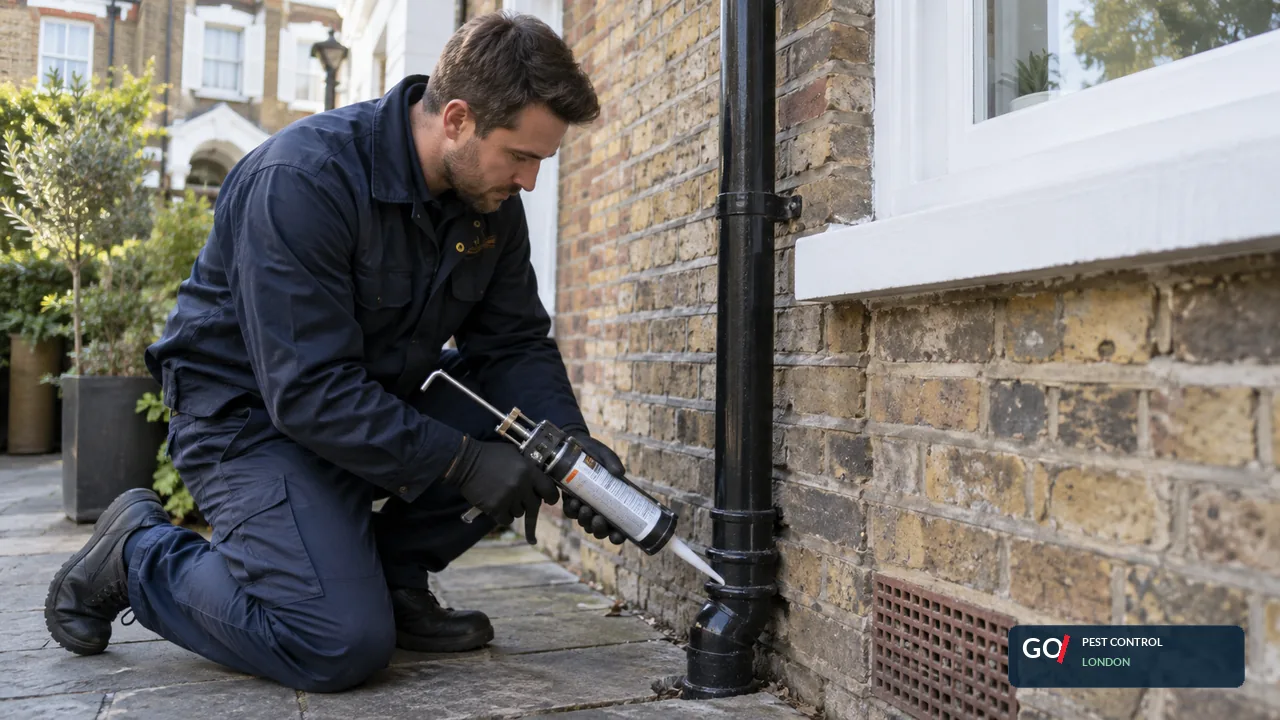
Start with what you know
Seeing a pest after treatment does not always mean the work failed. The life cycle, hidden harbourage and untreated routes affect what happens next.
Why this problem happens
Some insect eggs survive the first visit, rodents may continue using a route while monitoring is active, and activity from another flat or drain can re-enter the treated space. The expected pattern should be explained in advance.
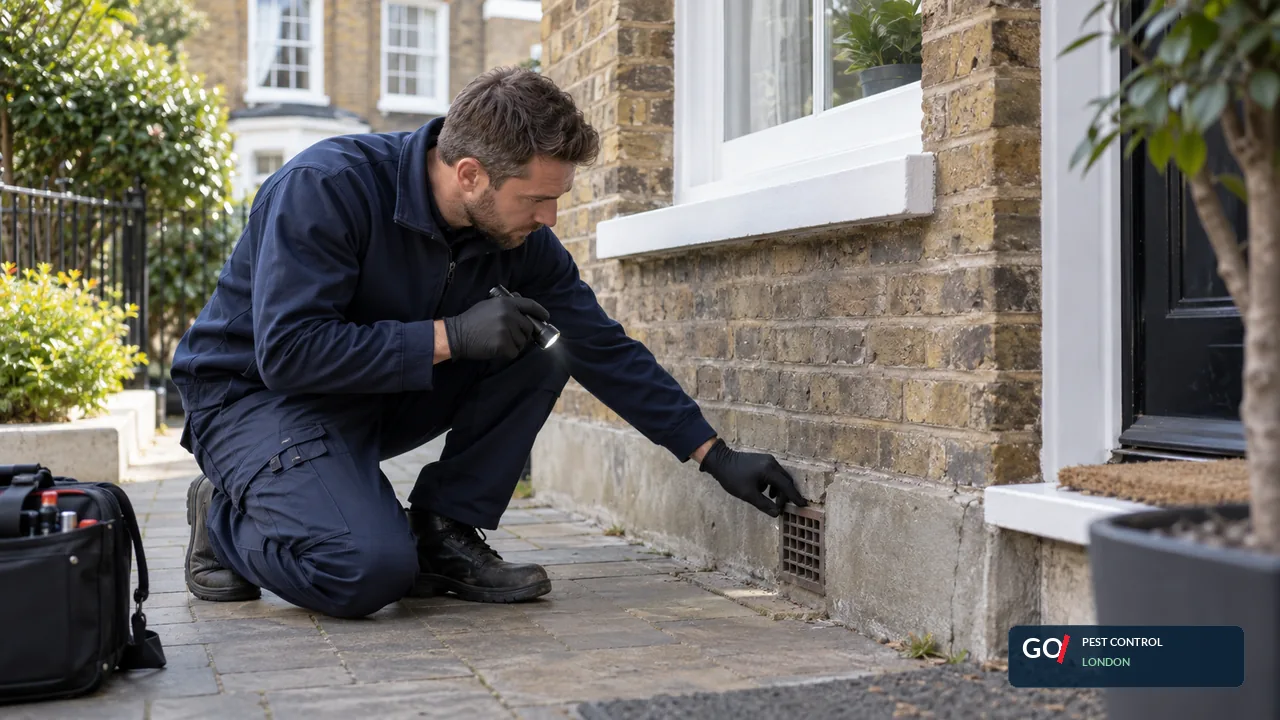
What you can do now
- Follow preparation and cleaning instructions for the full stated period.
- Record new sightings by date and exact location.
- Do not move monitors, bait stations or treated furniture.
- Report fresh evidence at the agreed review point.
What not to do
Do not add shop-bought products over professional treatment. Mixing methods can repel pests, disturb monitoring or create unnecessary exposure.
When to call a professional
Contact the company sooner if activity increases sharply, appears in a new sensitive area, creates a safety risk or differs from the expected aftercare advice.
A useful visit should end with a clear explanation of what was found, what was treated, any limits on access, and the next review point. Ask for the total scope and price before authorising work.
Common questions
How long should I wait?
It depends on the pest and method. Use the review period given in your treatment plan.
Does one sighting mean treatment failed?
No. The timing, location and trend matter more than one isolated sighting.