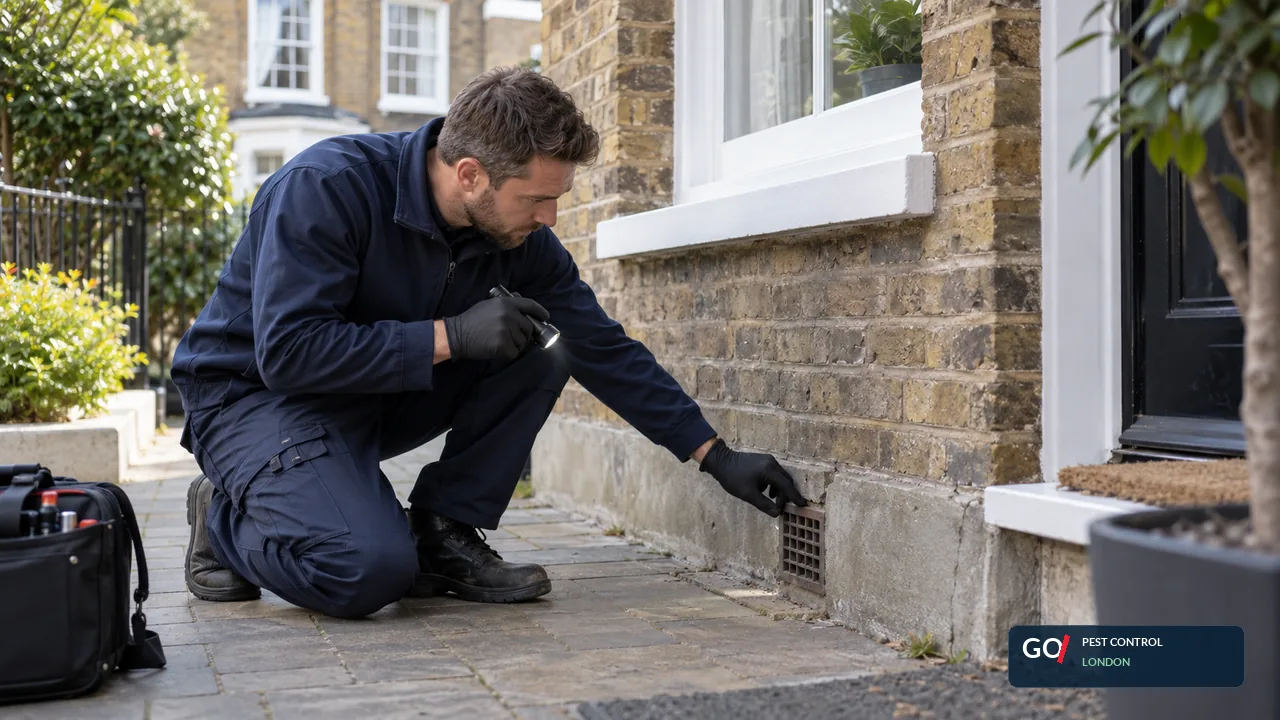
Start with what you know
Responsibility for pest work depends on the tenancy, the building and the cause. Clear evidence and early communication are more useful than blaming either side.
Why this problem happens
A structural entry point, drain fault or pre-existing infestation may need landlord action. Food storage or waste issues may sit with the occupier. Shared buildings can involve freeholders or managing agents as well.
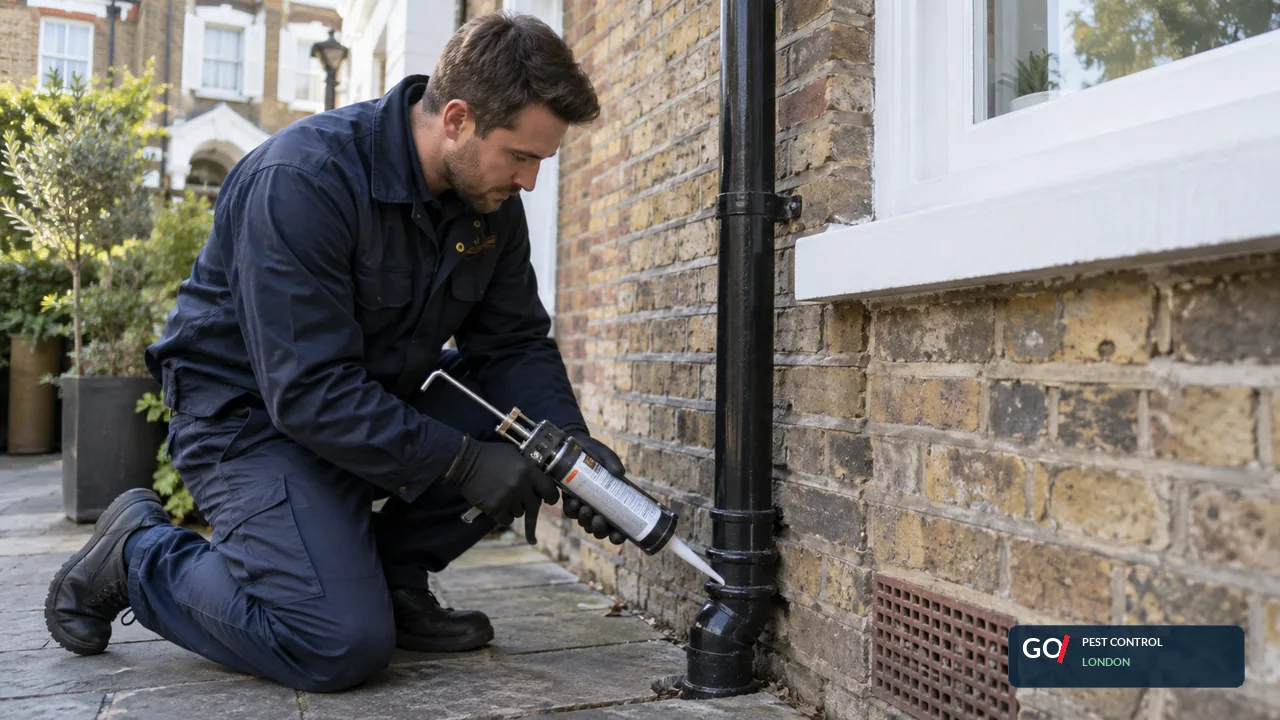
What you can do now
- Photograph signs, damage and possible entry points with dates.
- Report the issue in writing and describe affected rooms and urgency.
- Check the tenancy agreement and any inventory or move-in report.
- Ask who can authorise access to communal areas or neighbouring units.
What not to do
Do not withhold rent or arrange major structural work based only on general online advice. Legal responsibility can depend on facts and local rules.
When to call a professional
A pest inspection can document species, affected areas and likely routes. For legal advice about responsibility, use a qualified housing adviser or solicitor.
A useful visit should end with a clear explanation of what was found, what was treated, any limits on access, and the next review point. Ask for the total scope and price before authorising work.
Common questions
Is the landlord always responsible?
No. It depends on the cause, property condition and tenancy terms.
Should a tenant arrange treatment first?
Report the issue promptly and agree authority and payment before non-emergency work where possible.