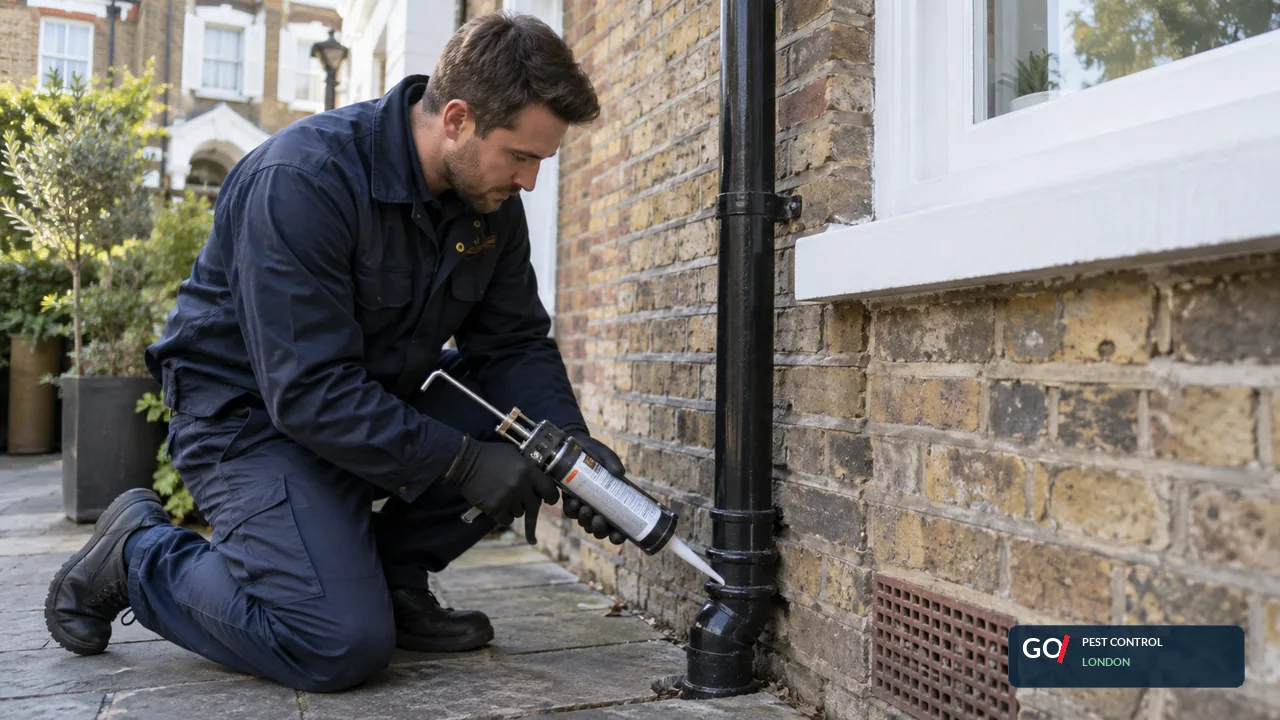
Start with what you know
Good preparation helps the technician inspect properly, but excessive cleaning can remove evidence. Follow the pest-specific instructions you receive and use this guide as a sensible starting point.
Why this problem happens
The technician needs access to likely harbourage, evidence and treatment areas. Preparation differs for rodents, bed bugs, cockroaches and wasps, so one checklist cannot replace booking instructions.
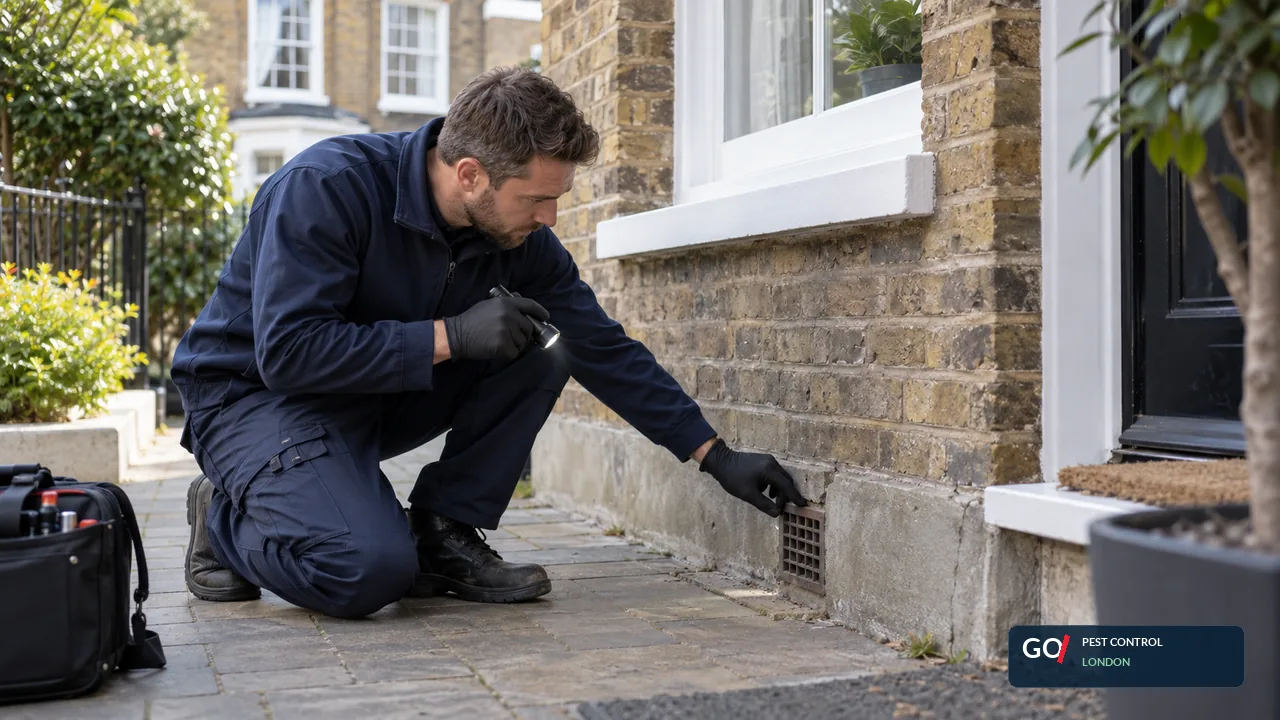
What you can do now
- Keep photographs, samples and notes about when activity occurs.
- Clear safe access to affected edges, appliances or furniture without moving items between rooms.
- Tell the company about children, pets, aquariums, allergies and previous products used.
- Arrange keys, parking and permission for rented or managed premises.
What not to do
Do not apply sprays just before the visit, remove every dropping or dismantle unsafe fittings. Avoid moving potentially infested furniture through the property.
When to call a professional
Contact the team before the appointment if access changes, a vulnerable person is present or you are unsure whether food, bedding or pets need special preparation.
A useful visit should end with a clear explanation of what was found, what was treated, any limits on access, and the next review point. Ask for the total scope and price before authorising work.
Common questions
Should I clean before the visit?
Clean normal food spills, but leave some evidence or photograph it first.
Do pets need to leave?
That depends on the method. Ask for exact instructions for each pet and aquarium.