Start with what you know
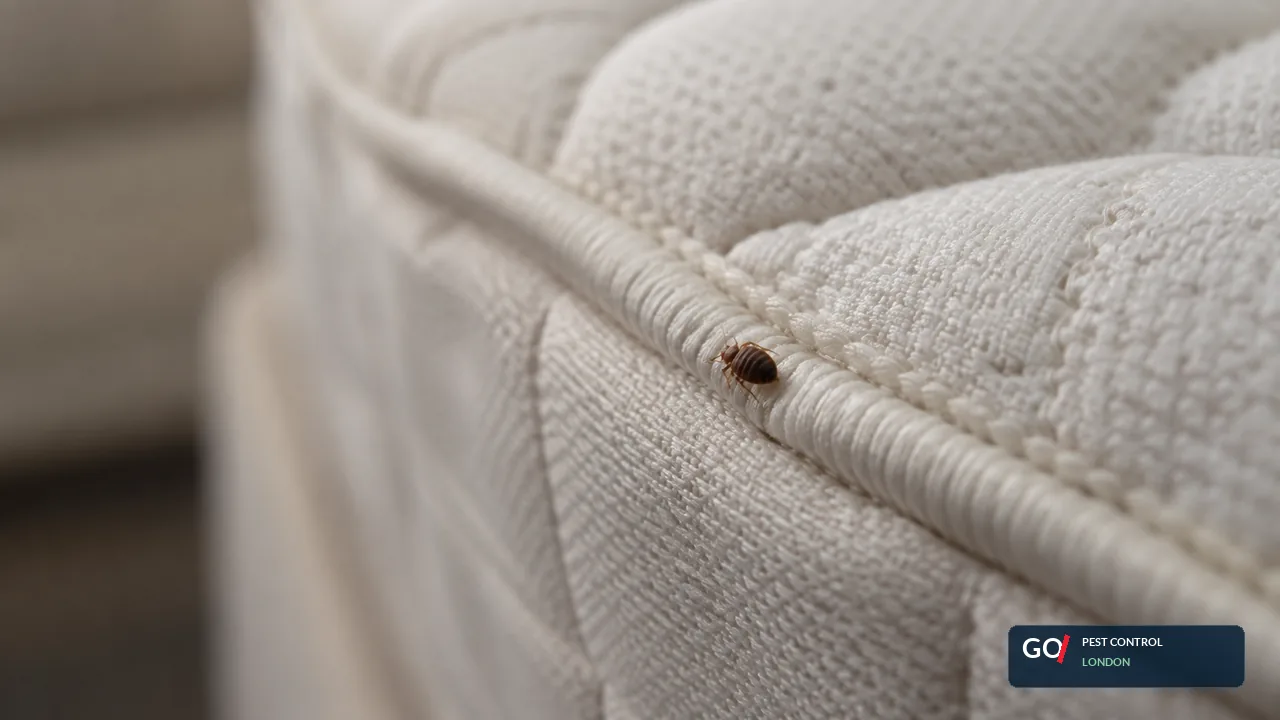
Itchy marks can have many causes. Before buying sprays or throwing away a mattress, look for evidence that can confirm whether bed bugs are present.
Why this problem happens
Bed bugs hide close to where people rest, but small infestations can be difficult to see. Useful signs include live insects, dark spotting, pale cast skins and eggs in protected cracks. Bites alone cannot identify the pest.
What you can do now
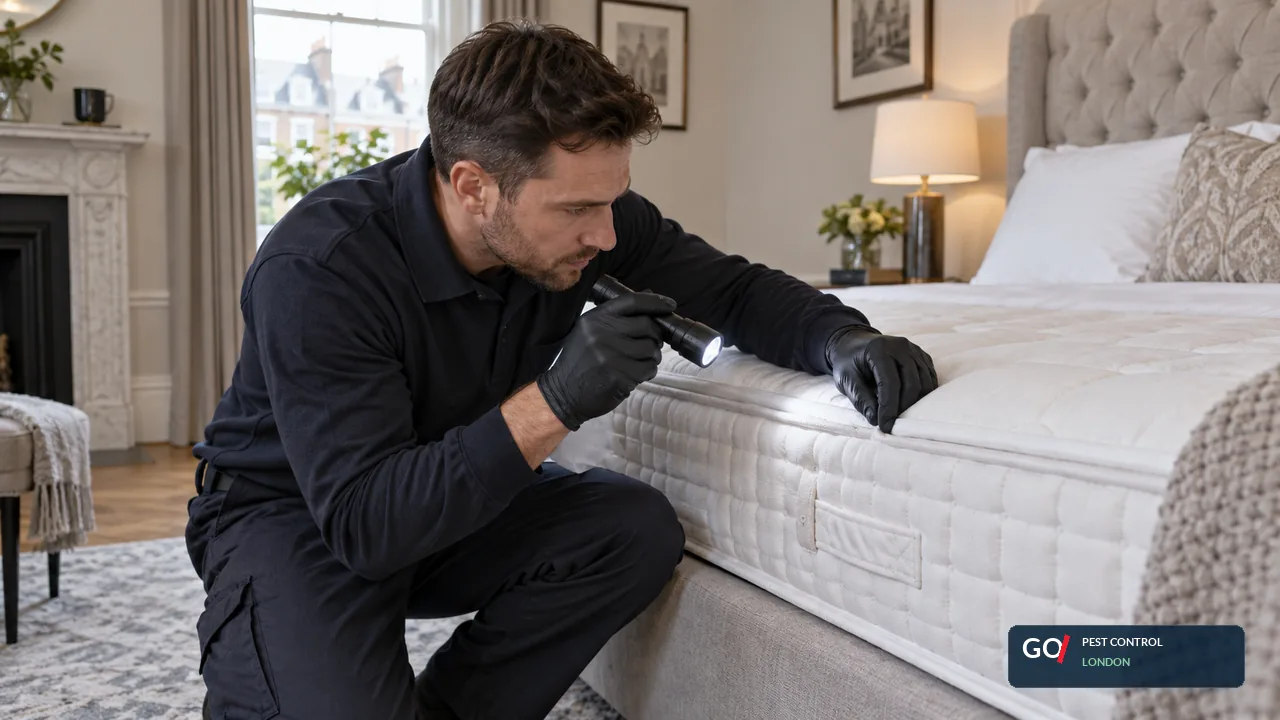
- Use a torch to inspect mattress seams, bed-frame joints and the back of the headboard.
- Keep bedding in the room and place removed fabrics directly into sealed bags.
- Photograph or safely contain any insect for identification.
- Note where people sleep or rest, including sofas and spare rooms.
What not to do
Do not move furniture into another room, sleep elsewhere or use smoke bombs. These actions can spread activity and make targeted treatment harder.
When to call a professional
Professional inspection is sensible when you find spotting or insects, when marks continue without clear evidence, or when more than one sleeping area may be involved. Treatment needs preparation and planned follow-up.
A useful visit should end with a clear explanation of what was found, what was treated, any limits on access, and the next review point. Ask for the total scope and price before authorising work.
Common questions
Can I identify bed bugs from bites?
No. Bite reactions vary and can resemble other skin problems. Physical evidence is needed.
Should I throw away the bed?
Usually not. Many beds can be treated. Moving furniture without wrapping it can spread the problem.