Occupied homes
Treatment and preparation are explained in manageable stages, with attention to the rooms that genuinely need access.
DISCREET · CLEAR · PROFESSIONAL
Homes and businesses in Enfield need pest control that is effective without creating avoidable disruption. We agree access, preparation, safety guidance and review points so the work fits the people and premises involved.
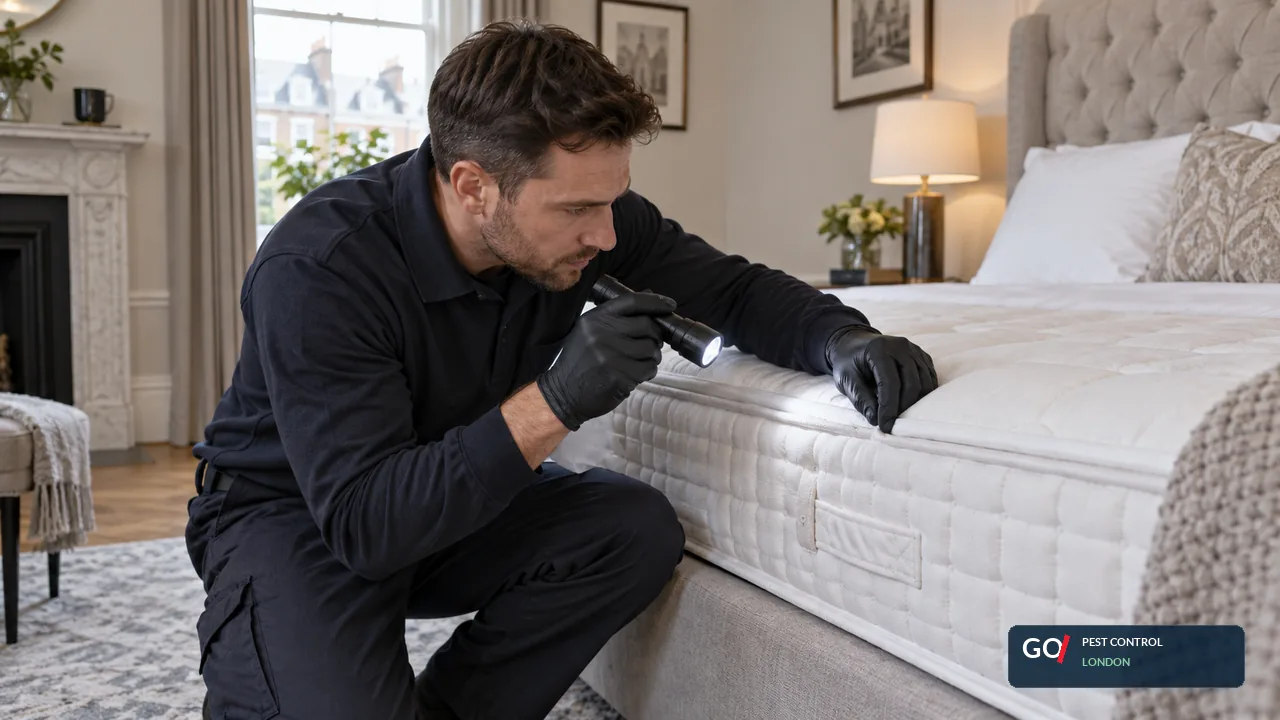
PEST PROBLEMS IN CONTEXT
The practical consequences of a pest problem vary. A household may need reassurance about children or pets, while a customer-facing business may need discreet timing, written findings and careful treatment around stock or equipment. We begin by understanding those constraints.
That context shapes the method. A contained treatment, monitoring programme or proofing visit may be more suitable than broad application. We explain what can happen while the property remains in use and when an area should be left clear.
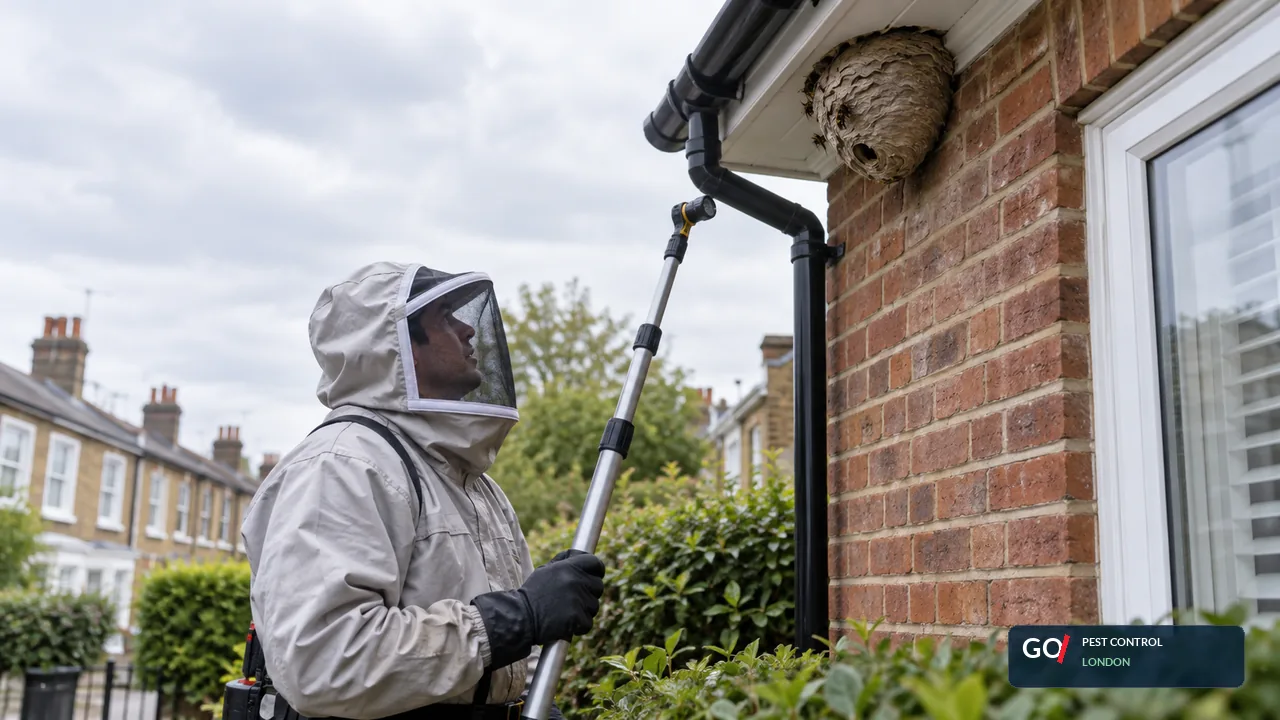
HOMES & WORKPLACES
Treatment and preparation are explained in manageable stages, with attention to the rooms that genuinely need access.
Clear findings help tenants, landlords and agents understand the active problem separately from repair or proofing responsibilities.
The plan considers staff, customers, stock, equipment and cleaning routines before a method is approved.
RELEVANT SERVICES
Identification comes first because preparation, treatment and follow-up differ by species and setting.
Inspection, controlled baiting and advice on the small gaps mice can exploit.
Identification and treatment that considers trails, nesting points and food sources.
Targeted work around warm, concealed harbourage with monitoring where appropriate.
Evidence-led control with monitoring of feeding, movement and likely entry routes.
Inspection of roof access and humane control planned around the building.
Survey-led deterrence and exclusion appropriate to the species and structure.
A USEFUL VISIT
A useful response begins with the circumstances, not a standard treatment list. In this case, an empty rental where bites are reported during viewings. The first appointment should establish flea activity, previous pets and other possible biting insects, because that determines both the likely pest and the parts of the property that deserve attention. A photograph or retained specimen can help, but neither replaces inspection when the source or route remains uncertain.
Preparation needs to open the relevant area without spreading material elsewhere. Since there is no resident to complete repeated preparation, we would confirm the insect, arrange vacuuming and treatment responsibilities, and set realistic re-entry guidance. Safety or permission restrictions remain visible in the written assessment. This permits proportionate work now and an evidenced request for any adjoining inspection.
The pest and setting dictate the work. The evidence points towards a need to confirm the insect, arrange vacuuming and treatment responsibilities, and set realistic re-entry guidance. Building defects can contribute to activity, but the control method and repair scope remain separate. The site contact is given specific duties and an understandable timetable for review.
The relevant preventive effort concerns the feature that observations identify as significant. That means monitor after treatment and document any further visit required before new occupation. Proofing does not precede control when it could force movement into another room. Dated observations let the technician compare genuine fresh signs with what was already present. Completion is clearer when findings and changes are recorded beside an agreed review trigger.
FROM FIRST CALL TO FOLLOW-UP
Tell us what you have seen, where it appeared and whether the activity is current. Photographs can help, but we will not ask you to make an unsafe inspection.
We explain which rooms or external areas need access and any simple preparation that will make the visit more useful.
The technician checks likely harbourage, movement routes and contributing conditions before confirming the appropriate method.
You receive the agreed treatment, practical aftercare and a clear explanation of whether monitoring or a further visit is needed.
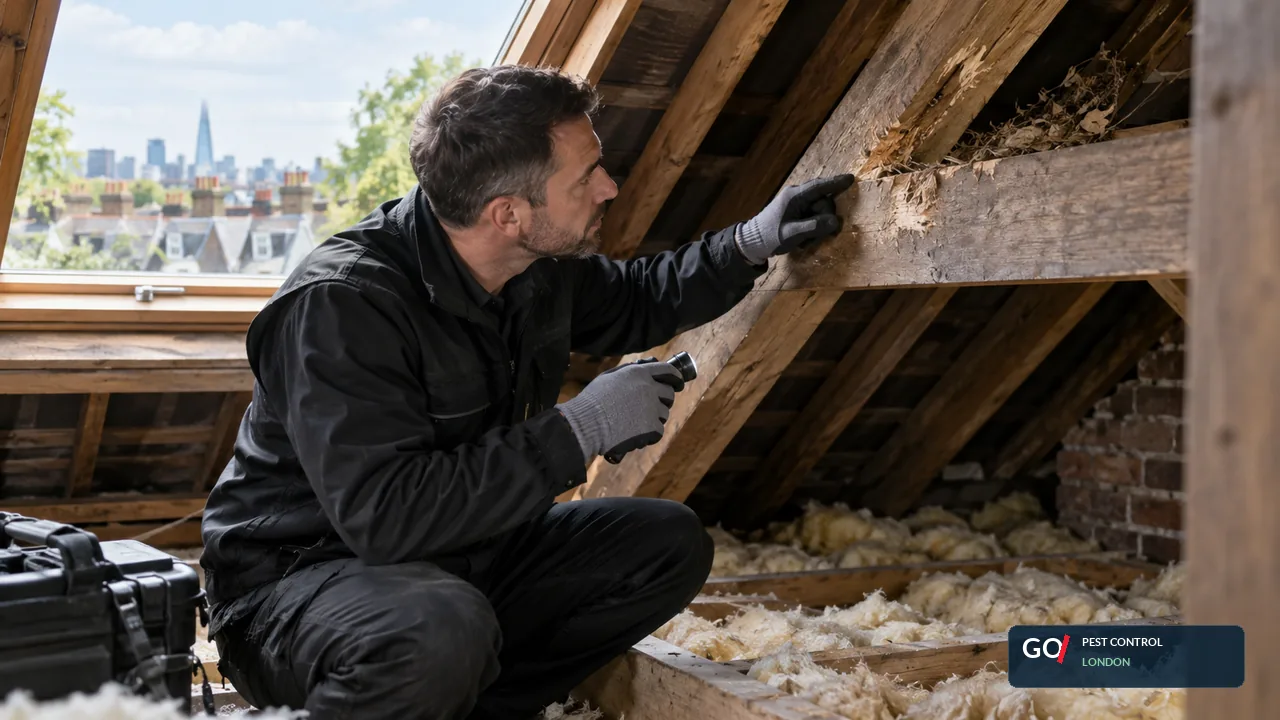
INSPECTION & TREATMENT
During a Enfield visit, the technician compares the reported activity with physical evidence. Inspection may include edges, voids, service routes, storage, external elevations or furniture, depending on the pest and safe access. The aim is to define the active area before choosing a method.
Treatment can involve secured bait, traps, monitors, targeted insecticide, nest work, physical removal or proofing. These tools are not interchangeable. We select only what fits the identified pest, the building and the people using the Enfield property, then explain preparation and aftercare.
Review points are agreed where the life cycle or movement pattern makes them useful. We assess change using sightings, catches, consumption, fresh droppings or other relevant evidence. A follow-up is not treated as an automatic repeat of the first visit; it responds to what has changed.
PREVENTION & PROOFING
A property does not need to be immaculate to benefit from pest control. The aim in Enfield is to remove dependable food, moisture, shelter or access in the places the pest is actually using. Recommendations are kept practical for tenants, owners and businesses, with responsibilities made clear where building repairs are involved.
We distinguish confirmed signs from possible routes before recommending work.
Preparation, safety and aftercare are explained in practical British English.
Appointments are planned carefully for occupied homes and customer-facing premises.
Treatment is chosen for the pest, building and people using the space.
Recommendations concentrate on repairs and routines that can affect the outcome.
Urgent circumstances can be discussed before a suitable visit is arranged.
CLEAR QUOTES
The quotation for a Enfield property reflects the confirmed pest, affected areas, access, preparation, treatment method and useful follow-up. We explain the scope and total cost before work is authorised; no vague package is substituted for an inspection-led plan.
CUSTOMER QUESTIONS
Practical answers about access, identification, preparation, treatment, safety and cost.
A clear photograph can narrow the possibilities, but scale and context matter. For Enfield enquiries we may ask where the specimen or damage was found and confirm identification during inspection before treatment.
Not always. It depends on the pest, product, treated area and people or animals present. We provide specific safety instructions before work begins rather than applying one rule to every Enfield appointment.
Yes, where access is authorised. We will also explain if evidence suggests that a common part or adjoining space could be contributing, because treating one unit cannot resolve inaccessible harbourage elsewhere.
Availability varies with location, access, pest type and time of day. Telephone support is available 24/7, and we offer the earliest suitable appointment without promising a time that cannot be kept.
Some isolated problems can be completed in one visit. Rodent monitoring and insects with concealed stages often need review. Your quotation states the expected visits and what would justify further work.
Keep evidence such as droppings or damaged packaging available where safe, avoid moving infested items between rooms and tell us about previous treatments. We will provide pest-specific preparation for the Enfield property.
Methods are selected with occupants in mind. We explain exclusion periods, protected areas and any steps for pets, aquariums or children before applying a treatment.
The price reflects the pest, affected area, access, preparation, method and likely follow-up. We confirm the proposed scope and cost before treatment begins.
NEARBY COVERAGE
Tell us what you have noticed at the Enfield property. We will ask the relevant questions and explain the safest, most useful next step.