Flea Treatment
A coordinated plan for floors, furnishings and pet-related sources of reinfestation.
RESPONSIBLE · TARGETED · LASTING
The immediate problem matters, but so does the reason it developed. Pest control in Lower Edmonton should combine appropriate treatment with realistic steps that reduce food, shelter and access after the technician leaves.
PEST PROBLEMS IN CONTEXT
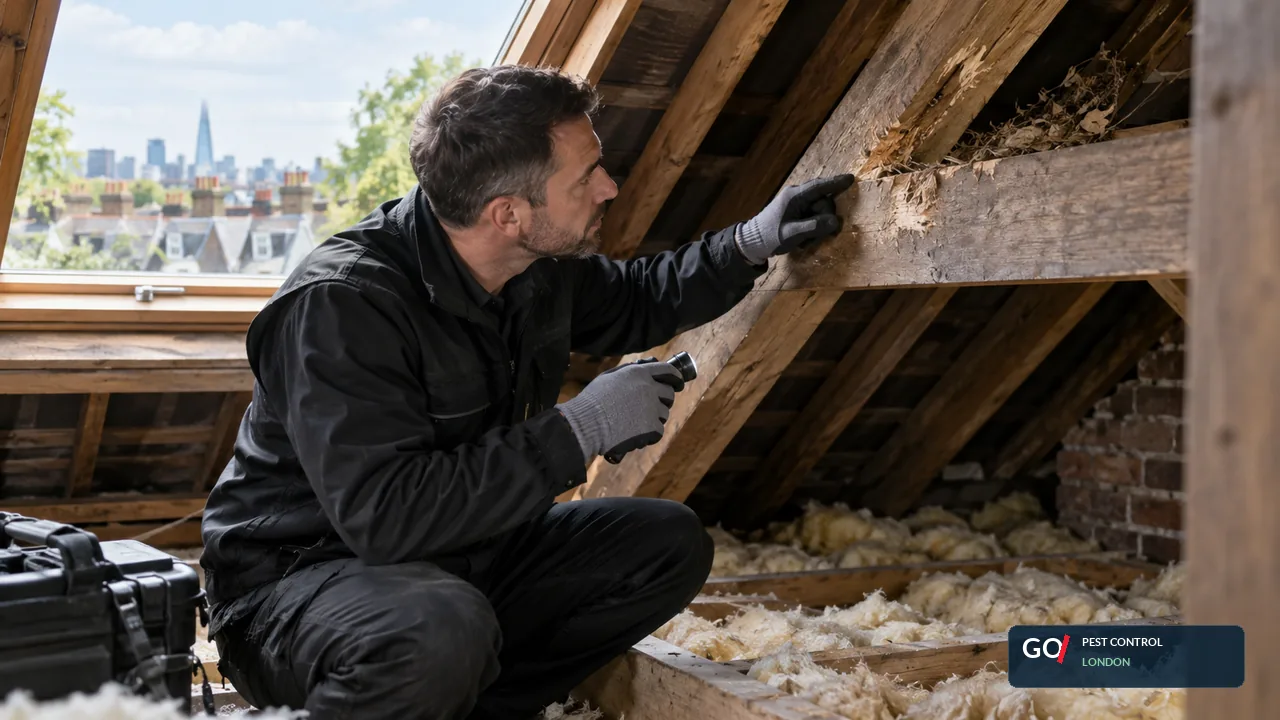
A successful visit separates the active infestation from the conditions that may support it. We look for droppings, cast skins, nesting material, damage and live insects, then consider nearby gaps, leaks, storage practices or waste arrangements.
Not every contributing condition needs an expensive repair. The priority is to identify changes likely to make a measurable difference. For Lower Edmonton customers, that may mean sealing a defined opening, changing how one storage zone is managed or arranging a targeted follow-up rather than attempting a wholesale refurbishment.
RELEVANT SERVICES
Identification comes first because preparation, treatment and follow-up differ by species and setting.
A coordinated plan for floors, furnishings and pet-related sources of reinfestation.
Practical exclusion work focused on confirmed or credible entry points.
Evidence-led control with monitoring of feeding, movement and likely entry routes.
Careful inspection, room-specific preparation and treatment planned around the life cycle.
Identification and treatment that considers trails, nesting points and food sources.
Inspection, controlled baiting and advice on the small gaps mice can exploit.

INSPECTION & TREATMENT
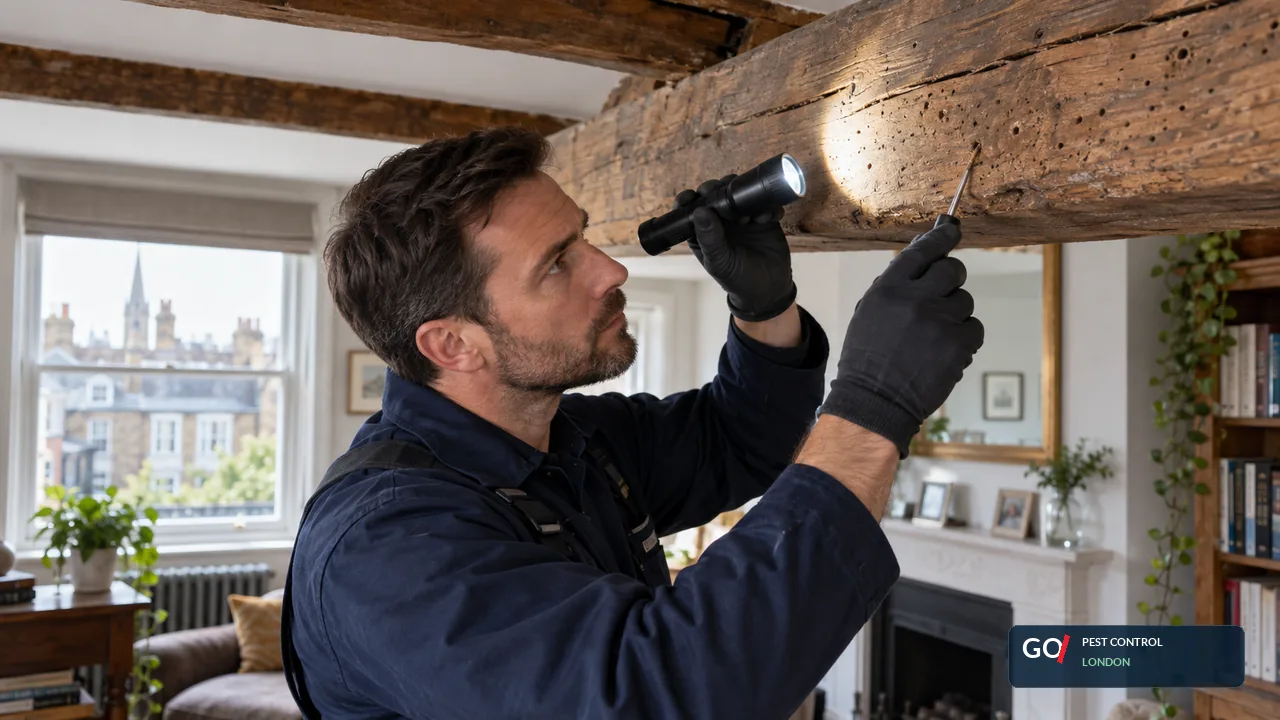
During a Lower Edmonton visit, the technician compares the reported activity with physical evidence. Inspection may include edges, voids, service routes, storage, external elevations or furniture, depending on the pest and safe access. The aim is to define the active area before choosing a method.
Treatment can involve secured bait, traps, monitors, targeted insecticide, nest work, physical removal or proofing. These tools are not interchangeable. We select only what fits the identified pest, the building and the people using the Lower Edmonton property, then explain preparation and aftercare.
Review points are agreed where the life cycle or movement pattern makes them useful. We assess change using sightings, catches, consumption, fresh droppings or other relevant evidence. A follow-up is not treated as an automatic repeat of the first visit; it responds to what has changed.
A USEFUL VISIT
Establish what changed before planning treatment at an upper-floor flat with awkward external access in Lower Edmonton. The immediate concern is silverfish or similar insects, prompted by small insects near paper, skirting or a persistent damp point. Knowing that only part of the building is authorised for treatment keeps the inspection focused on credible harbourage. This allows the appointment notes to identify relevant rooms, access limits and immediate safety questions.
The property contact should first avoid transferring loose items between rooms and explain any locked voids or shared spaces in advance. On site, attention centres on moisture sources, stored materials and hidden cracks, alongside the relation between food, water, shelter and the reported sign. The survey stays within areas for which access has been authorised. This order keeps the survey focused while allowing the original identification to change during the Lower Edmonton appointment.
If silverfish or similar insects is confirmed, the likely response involves moisture correction with selective treatment where justified. The wider plan may include a staged programme linked to the pest life cycle, carried out without applying products to unaffected surfaces. The customer approves a defined method and price, rather than an open-ended package. Change is assessed through the absence of further damage over an agreed period, giving a later visit a specific question to answer.
Prevention for this situation should deal with the leak or condensation supporting the harbourage; another sensible priority may be to seal one verified pipe gap. The aftercare note distinguishes two roles: a contractor may be needed for high-level building work; pet treatment remains a matter for a veterinary professional. The final note should distinguish urgent action from desirable maintenance. For Lower Edmonton, the customer is left with an immediate action, a review date and fewer irrelevant tasks.
FROM FIRST CALL TO FOLLOW-UP
Recent noises, sightings, bites or damage help us understand whether activity is increasing, moving or confined to one point.
Instead of issuing a generic list, we give preparation relevant to the suspected pest and proposed inspection.
The technician tests the initial account against physical signs and adapts the recommendation where the facts point elsewhere.
You know what was found, what was done and which prevention or follow-up action has priority.
PREVENTION & PROOFING
Proofing is most effective when it follows inspection. At a Lower Edmonton visit we distinguish an observed entry point from a possible weakness, because sealing the wrong gap can waste time or divert activity. Advice is ranked by evidence, ease of action and the likelihood that it will support the treatment.
We distinguish confirmed signs from possible routes before recommending work.
Preparation, safety and aftercare are explained in practical British English.
Appointments are planned carefully for occupied homes and customer-facing premises.
Treatment is chosen for the pest, building and people using the space.
Recommendations concentrate on repairs and routines that can affect the outcome.
Urgent circumstances can be discussed before a suitable visit is arranged.
HOMES & WORKPLACES
Treatment and preparation are explained in manageable stages, with attention to the rooms that genuinely need access.
Clear findings help tenants, landlords and agents understand the active problem separately from repair or proofing responsibilities.
The plan considers staff, customers, stock, equipment and cleaning routines before a method is approved.
CLEAR QUOTES
The quotation for a Lower Edmonton property reflects the confirmed pest, affected areas, access, preparation, treatment method and useful follow-up. We explain the scope and total cost before work is authorised; no vague package is substituted for an inspection-led plan.
CUSTOMER QUESTIONS
Practical answers about access, identification, preparation, treatment, safety and cost.
A clear photograph can narrow the possibilities, but scale and context matter. For Lower Edmonton enquiries we may ask where the specimen or damage was found and confirm identification during inspection before treatment.
Not always. It depends on the pest, product, treated area and people or animals present. We provide specific safety instructions before work begins rather than applying one rule to every Lower Edmonton appointment.
Yes, where access is authorised. We will also explain if evidence suggests that a common part or adjoining space could be contributing, because treating one unit cannot resolve inaccessible harbourage elsewhere.
Availability varies with location, access, pest type and time of day. Telephone support is available 24/7, and we offer the earliest suitable appointment without promising a time that cannot be kept.
Some isolated problems can be completed in one visit. Rodent monitoring and insects with concealed stages often need review. Your quotation states the expected visits and what would justify further work.
Keep evidence such as droppings or damaged packaging available where safe, avoid moving infested items between rooms and tell us about previous treatments. We will provide pest-specific preparation for the Lower Edmonton property.
Methods are selected with occupants in mind. We explain exclusion periods, protected areas and any steps for pets, aquariums or children before applying a treatment.
The price reflects the pest, affected area, access, preparation, method and likely follow-up. We confirm the proposed scope and cost before treatment begins.
NEARBY COVERAGE
Tell us what you have noticed at the Lower Edmonton property. We will ask the relevant questions and explain the safest, most useful next step.