Start with what you know
Scratching in a wall is frustrating, but sound travels through pipes and voids. Record patterns before deciding it is definitely mice or rats.
Why this problem happens
Rodents are one possibility, but pipes, birds, squirrels and building movement can produce similar noises. Fresh droppings, gnawing, smells and entry gaps make a pest explanation stronger.
What you can do now
- Record the time and duration for several nights.
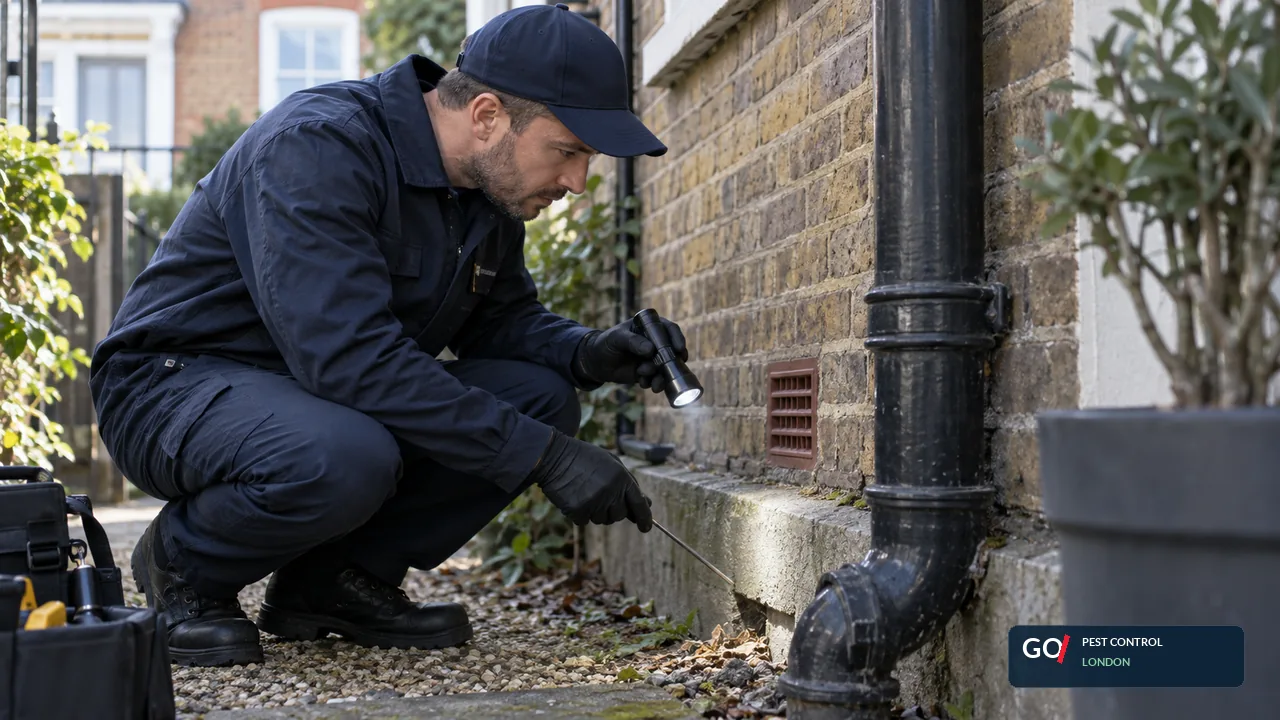
- Check nearby cupboards, loft edges and service entries for physical signs.
- Listen for movement between rooms rather than relying on the loudest point.
- Keep food secure and note whether activity changes.
What not to do
Do not cut into walls or push poison into a void. An animal dying inside can cause odour, and opening services can create electrical or plumbing risk.
When to call a professional
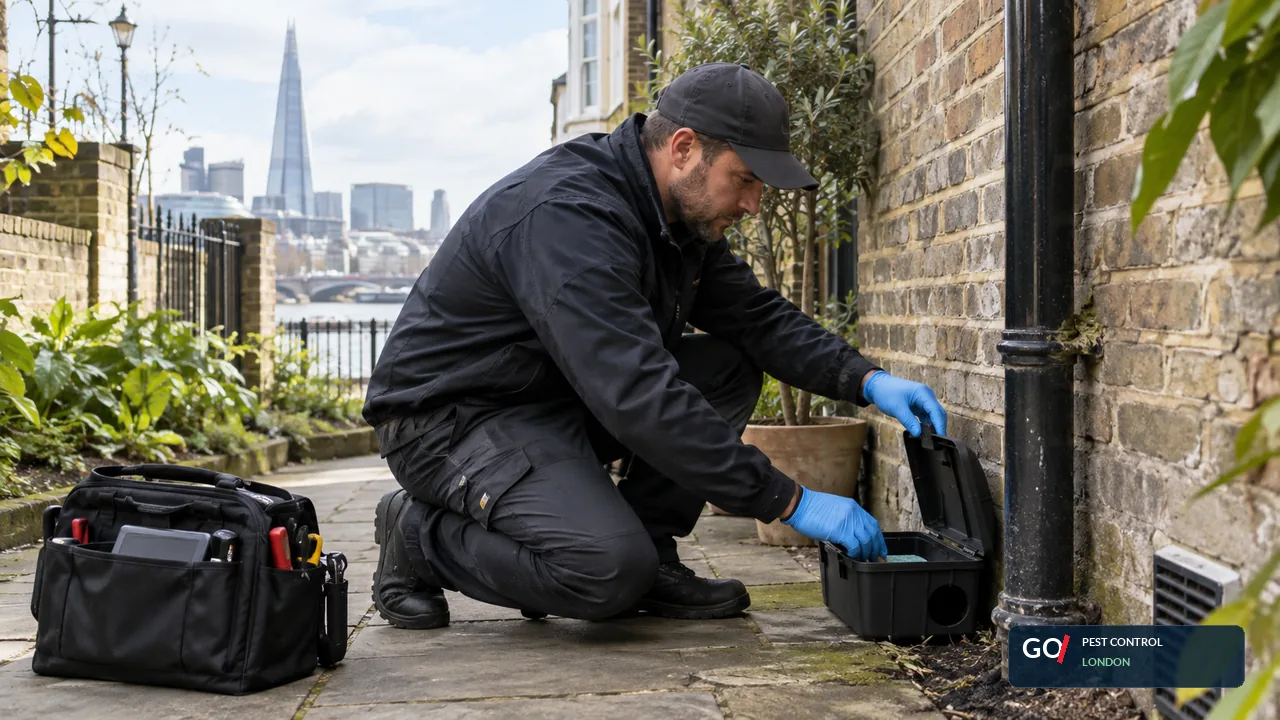
Arrange an inspection when noise repeats, physical signs appear, wiring may be at risk or the sound comes from several connected areas.
A useful visit should end with a clear explanation of what was found, what was treated, any limits on access, and the next review point. Ask for the total scope and price before authorising work.
Common questions
Can sound identify a rat or mouse?
Not reliably. Timing and volume help, but physical evidence is needed.
Will an ultrasonic device solve it?
Evidence for lasting control is weak; access, food and harbourage still need attention.