Moth Control
Identification of the affected material and focused treatment of storage or textile areas.
PLANNED · DISCREET · PRACTICAL
Effective pest control in Bexley depends on more than the product used. Safe access, sensible preparation and a clear plan for follow-up all influence the result, so we set those details out before work starts.
PEST PROBLEMS IN CONTEXT
Cupboards, loft hatches, service voids, stock rooms and furniture can hide the route between a visible sign and its source. For a Bexley appointment, we establish which areas can be inspected and whether a landlord, tenant, concierge or business manager needs to coordinate entry.
Good preparation should make treatment more precise, not create unnecessary disruption. We explain what must be moved, cleaned or left undisturbed and why. Advice changes with the pest: bed bug preparation is different from rodent monitoring, and neither should be applied as a generic checklist.
RELEVANT SERVICES
Identification comes first because preparation, treatment and follow-up differ by species and setting.
Identification of the affected material and focused treatment of storage or textile areas.
Assessment of nest position and safe treatment or removal when the circumstances allow.
Survey-led deterrence and exclusion appropriate to the species and structure.
Identification and treatment that considers trails, nesting points and food sources.
Careful inspection, room-specific preparation and treatment planned around the life cycle.
Source investigation for breeding material, hygiene pressure and structural access.
FROM FIRST CALL TO FOLLOW-UP
Tell us what you have seen, where it appeared and whether the activity is current. Photographs can help, but we will not ask you to make an unsafe inspection.
We explain which rooms or external areas need access and any simple preparation that will make the visit more useful.
The technician checks likely harbourage, movement routes and contributing conditions before confirming the appropriate method.
You receive the agreed treatment, practical aftercare and a clear explanation of whether monitoring or a further visit is needed.
A USEFUL VISIT
Put identification ahead of application at a warehouse receiving frequent deliveries in Bexley. The immediate concern is possible bed bugs, prompted by spotting near a bed frame, bites or a suspect insect. Knowing that previous DIY products may still influence the evidence helps distinguish isolated evidence from an established problem. The initial conversation can therefore set out what to retain, what to leave untouched and whether any immediate precaution is sensible.
Without disturbing the affected zone, the customer can avoid transferring loose items between rooms and list products already used and when they were applied. On site, attention centres on mattress seams, the bed structure and nearby upholstered items, alongside signs that can be dated rather than old debris alone. Historic marks are kept separate from evidence of present activity. The technician can then revise the working theory if the physical signs point elsewhere during the Bexley appointment.
If possible bed bugs is confirmed, the likely response involves targeted treatment planned around preparation and the insect life cycle. The wider plan may include local treatment combined with proofing, carried out within the access agreed by the customer or manager. Before work proceeds, the customer sees the proposed scope, total price, access needs and purpose of any follow-up. Records of evidence appropriate to the species rather than general reassurance provide a firmer review point than general reassurance.
Prevention for this situation should avoid carrying loose belongings into an unaffected room; another sensible priority may be to keep vegetation clear of a confirmed entry. Practical ownership matters here—a manager can improve waste or delivery routines, but a landlord may need to authorise a fabric repair. Clear aftercare matters as much as the application because premature cleaning can remove useful treatment. For Bexley, The result is a short, evidence-based action list rather than generic maintenance advice.
INSPECTION & TREATMENT
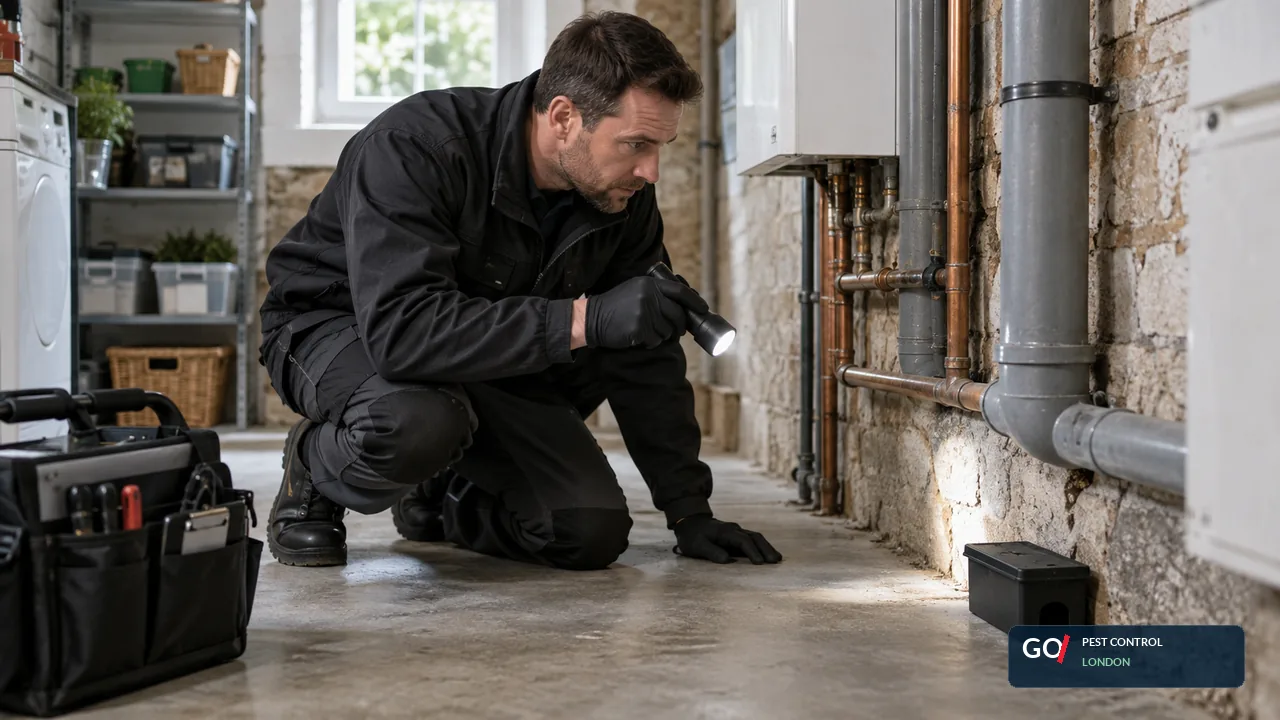
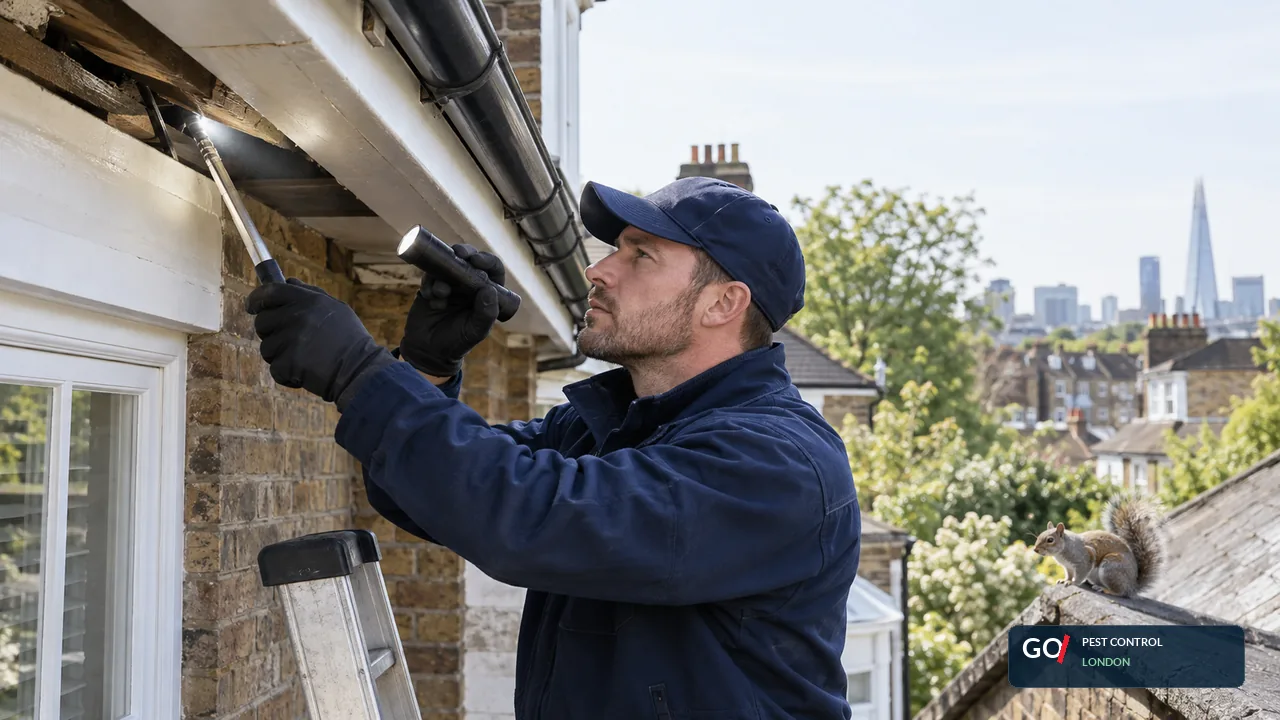
During a Bexley visit, the technician compares the reported activity with physical evidence. Inspection may include edges, voids, service routes, storage, external elevations or furniture, depending on the pest and safe access. The aim is to define the active area before choosing a method.
Treatment can involve secured bait, traps, monitors, targeted insecticide, nest work, physical removal or proofing. These tools are not interchangeable. We select only what fits the identified pest, the building and the people using the Bexley property, then explain preparation and aftercare.
Review points are agreed where the life cycle or movement pattern makes them useful. We assess change using sightings, catches, consumption, fresh droppings or other relevant evidence. A follow-up is not treated as an automatic repeat of the first visit; it responds to what has changed.
CLEAR QUOTES
The quotation for a Bexley property reflects the confirmed pest, affected areas, access, preparation, treatment method and useful follow-up. We explain the scope and total cost before work is authorised; no vague package is substituted for an inspection-led plan.
HOMES & WORKPLACES
We inspect internal and external routes that can reasonably be reached and prioritise action within the customer’s control.
Where evidence suggests movement between units, we describe the limits of treating one space and the value of coordinated inspection.
Monitoring and treatment can be arranged around operating constraints, sensitive areas and record-keeping needs.
PREVENTION & PROOFING
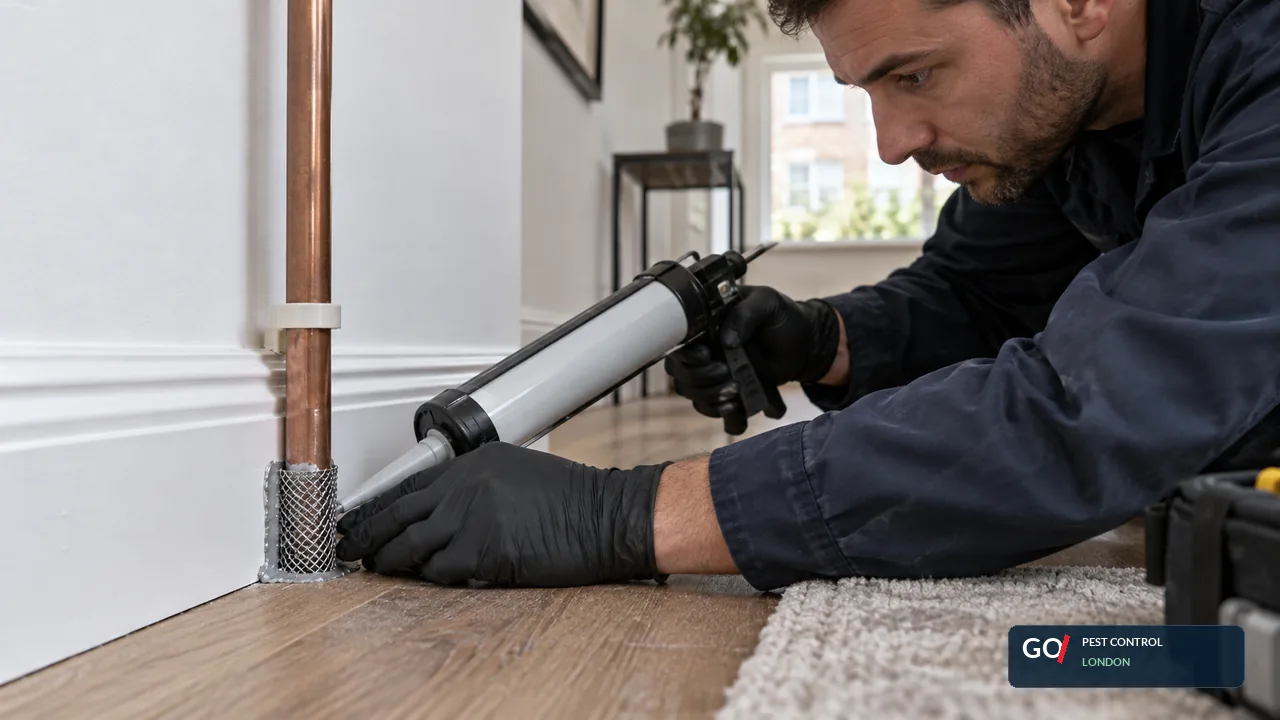
After treatment in Bexley, the most useful changes are the ones connected to confirmed activity. That can include sealing a pipe opening, improving one bin or storage area, repairing a vent screen or keeping a monitoring point accessible. We explain the reason for each recommendation and which action should come first.
We distinguish confirmed signs from possible routes before recommending work.
Preparation, safety and aftercare are explained in practical British English.
Appointments are planned carefully for occupied homes and customer-facing premises.
Treatment is chosen for the pest, building and people using the space.
Recommendations concentrate on repairs and routines that can affect the outcome.
Urgent circumstances can be discussed before a suitable visit is arranged.
CUSTOMER QUESTIONS
Practical answers about access, identification, preparation, treatment, safety and cost.
A clear photograph can narrow the possibilities, but scale and context matter. For Bexley enquiries we may ask where the specimen or damage was found and confirm identification during inspection before treatment.
Not always. It depends on the pest, product, treated area and people or animals present. We provide specific safety instructions before work begins rather than applying one rule to every Bexley appointment.
Yes, where access is authorised. We will also explain if evidence suggests that a common part or adjoining space could be contributing, because treating one unit cannot resolve inaccessible harbourage elsewhere.
Availability varies with location, access, pest type and time of day. Telephone support is available 24/7, and we offer the earliest suitable appointment without promising a time that cannot be kept.
Some isolated problems can be completed in one visit. Rodent monitoring and insects with concealed stages often need review. Your quotation states the expected visits and what would justify further work.
Keep evidence such as droppings or damaged packaging available where safe, avoid moving infested items between rooms and tell us about previous treatments. We will provide pest-specific preparation for the Bexley property.
Methods are selected with occupants in mind. We explain exclusion periods, protected areas and any steps for pets, aquariums or children before applying a treatment.
The price reflects the pest, affected area, access, preparation, method and likely follow-up. We confirm the proposed scope and cost before treatment begins.
NEARBY COVERAGE
Tell us what you have noticed at the Bexley property. We will ask the relevant questions and explain the safest, most useful next step.