Occupied homes
Treatment and preparation are explained in manageable stages, with attention to the rooms that genuinely need access.
LOCAL · CAREFUL · EVIDENCE-LED
A pest sighting in Tulse Hill does not always reveal where the activity began. We inspect the evidence, likely access routes and the way the affected space is used before recommending treatment.
PEST PROBLEMS IN CONTEXT
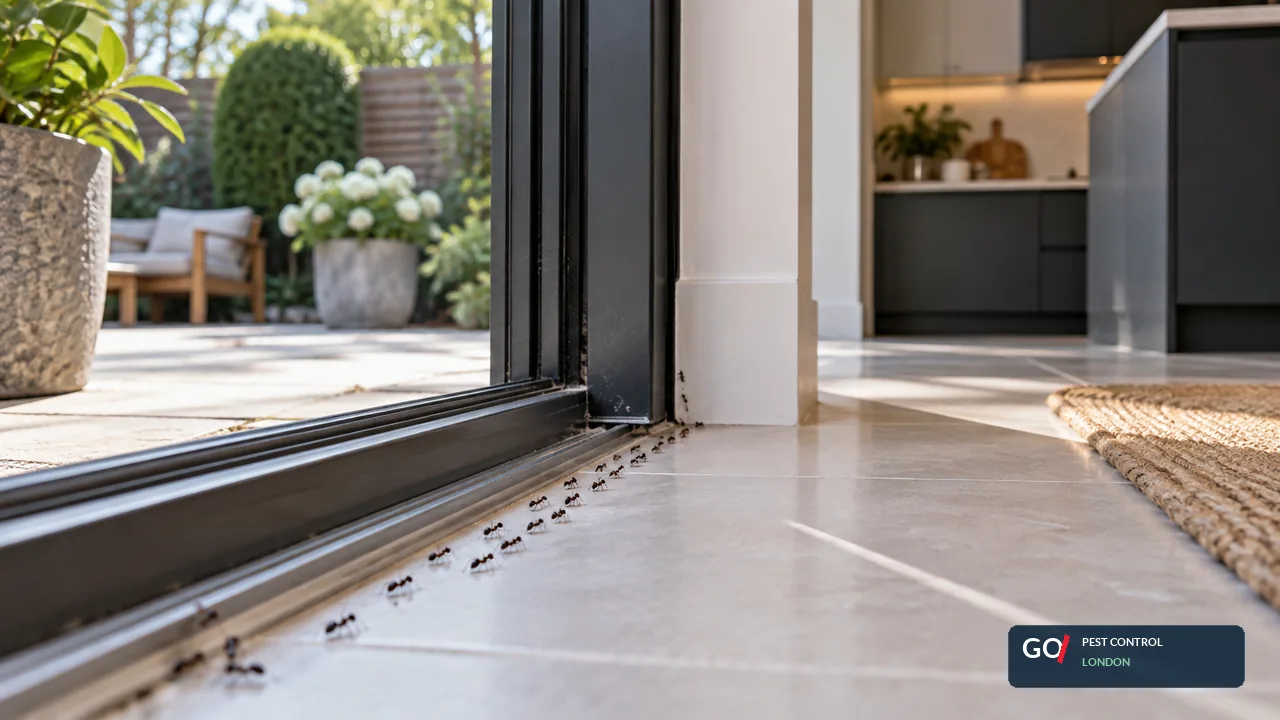
A useful inspection begins with what has actually been seen, heard or damaged. In Tulse Hill, we ask where the sign appeared, when it was noticed and whether it is confined to one room or moving between spaces. That information helps distinguish an isolated incident from established activity.
The visit then follows the evidence towards harbourage, food, moisture and entry points. We do not treat every mark or noise as proof of a particular pest. Where identification is uncertain, monitoring can be more responsible than applying a treatment on assumption.
HOMES & WORKPLACES
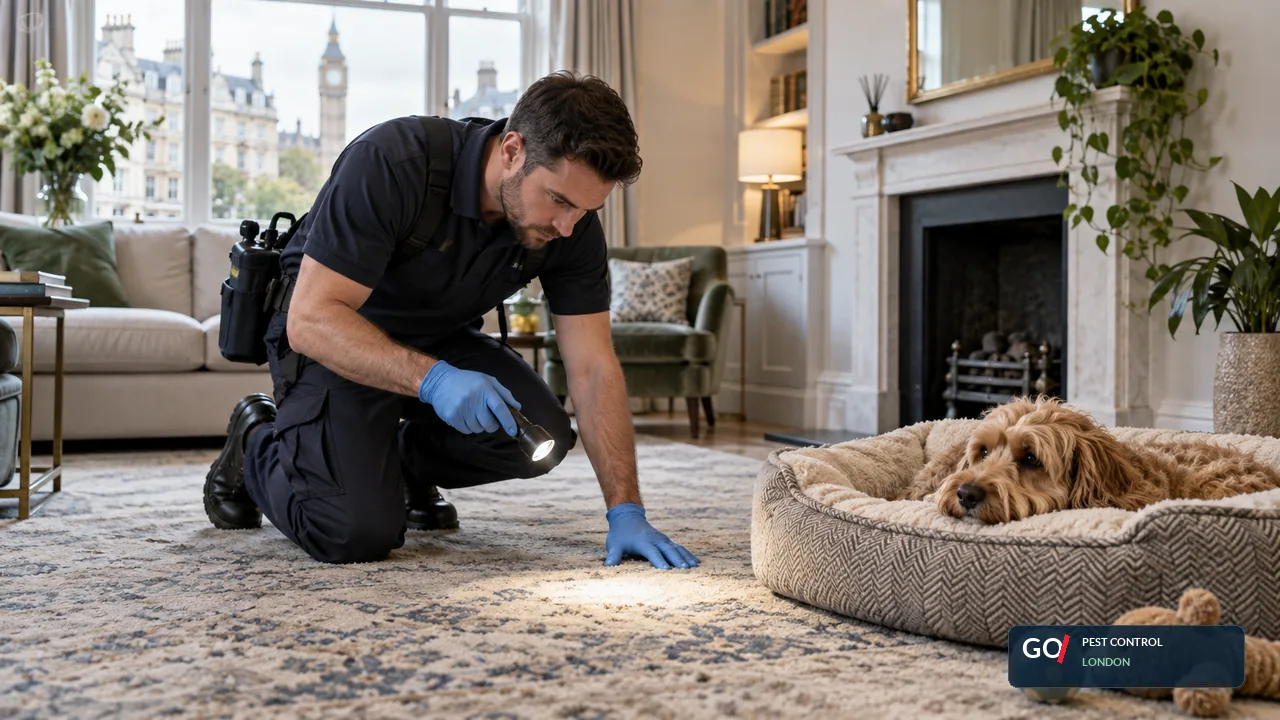
Treatment and preparation are explained in manageable stages, with attention to the rooms that genuinely need access.
Clear findings help tenants, landlords and agents understand the active problem separately from repair or proofing responsibilities.
The plan considers staff, customers, stock, equipment and cleaning routines before a method is approved.
RELEVANT SERVICES
Identification comes first because preparation, treatment and follow-up differ by species and setting.
Source investigation for breeding material, hygiene pressure and structural access.
Inspection, controlled baiting and advice on the small gaps mice can exploit.
Survey-led deterrence and exclusion appropriate to the species and structure.
Assessment of nest position and safe treatment or removal when the circumstances allow.
Practical exclusion work focused on confirmed or credible entry points.
Identification of the affected material and focused treatment of storage or textile areas.
A USEFUL VISIT
A flat using pheromone traps in several rooms needs a careful initial assessment. The inspection should settle the moth species, catch pattern and evidence of larval feeding. Clarifying this reduces the chance of visible symptoms from being treated while concealed harbourage, a structural route or an unrelated cause is missed. Until inspection, record each sign by room and time rather than combined into a general report.
Good preparation makes inspection possible while avoiding needless disruption. Since traps have been moved, making earlier results difficult to compare, we would reset labelled monitors, inspect likely materials and base treatment on larvae and damage, not catches alone. Inaccessible voids and unvisited rooms stay explicit in the findings. Control remains within agreed boundaries unless the findings establish a reason to extend it.
Confirmed evidence guides the control method. A focused visit can reset labelled monitors, inspect likely materials and base treatment on larvae and damage, not catches alone. A repair recommendation may accompany control, with neither used to obscure the other. Preparation and safety instructions are paired with a clear follow-up point.
Maintaining the result requires action on the practical contributor supported by findings. That means keep traps fixed, clean edge debris and isolate vulnerable textiles during the review period. Repairs follow control where early closure could trap or redirect an animal. A simple monitoring note prevents old damage from being counted repeatedly as treatment failure. The household knows how improvement is judged and which evidence genuinely calls for another look.
FROM FIRST CALL TO FOLLOW-UP
Tell us what you have seen, where it appeared and whether the activity is current. Photographs can help, but we will not ask you to make an unsafe inspection.
We explain which rooms or external areas need access and any simple preparation that will make the visit more useful.
The technician checks likely harbourage, movement routes and contributing conditions before confirming the appropriate method.
You receive the agreed treatment, practical aftercare and a clear explanation of whether monitoring or a further visit is needed.
INSPECTION & TREATMENT
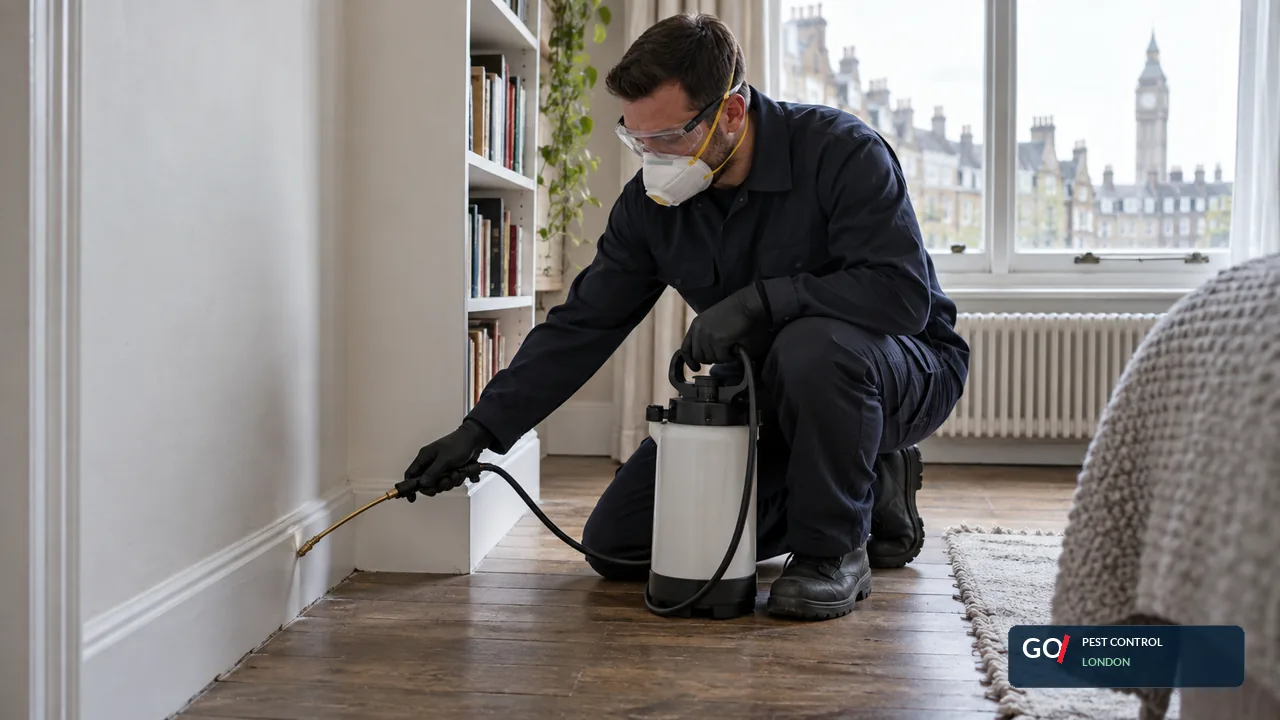
During a Tulse Hill visit, the technician compares the reported activity with physical evidence. Inspection may include edges, voids, service routes, storage, external elevations or furniture, depending on the pest and safe access. The aim is to define the active area before choosing a method.
Treatment can involve secured bait, traps, monitors, targeted insecticide, nest work, physical removal or proofing. These tools are not interchangeable. We select only what fits the identified pest, the building and the people using the Tulse Hill property, then explain preparation and aftercare.
Review points are agreed where the life cycle or movement pattern makes them useful. We assess change using sightings, catches, consumption, fresh droppings or other relevant evidence. A follow-up is not treated as an automatic repeat of the first visit; it responds to what has changed.
PREVENTION & PROOFING
A property does not need to be immaculate to benefit from pest control. The aim in Tulse Hill is to remove dependable food, moisture, shelter or access in the places the pest is actually using. Recommendations are kept practical for tenants, owners and businesses, with responsibilities made clear where building repairs are involved.
We distinguish confirmed signs from possible routes before recommending work.
Preparation, safety and aftercare are explained in practical British English.
Appointments are planned carefully for occupied homes and customer-facing premises.
Treatment is chosen for the pest, building and people using the space.
Recommendations concentrate on repairs and routines that can affect the outcome.
Urgent circumstances can be discussed before a suitable visit is arranged.
CLEAR QUOTES
The quotation for a Tulse Hill property reflects the confirmed pest, affected areas, access, preparation, treatment method and useful follow-up. We explain the scope and total cost before work is authorised; no vague package is substituted for an inspection-led plan.
CUSTOMER QUESTIONS
Practical answers about access, identification, preparation, treatment, safety and cost.
A clear photograph can narrow the possibilities, but scale and context matter. For Tulse Hill enquiries we may ask where the specimen or damage was found and confirm identification during inspection before treatment.
Not always. It depends on the pest, product, treated area and people or animals present. We provide specific safety instructions before work begins rather than applying one rule to every Tulse Hill appointment.
Yes, where access is authorised. We will also explain if evidence suggests that a common part or adjoining space could be contributing, because treating one unit cannot resolve inaccessible harbourage elsewhere.
Availability varies with location, access, pest type and time of day. Telephone support is available 24/7, and we offer the earliest suitable appointment without promising a time that cannot be kept.
Some isolated problems can be completed in one visit. Rodent monitoring and insects with concealed stages often need review. Your quotation states the expected visits and what would justify further work.
Keep evidence such as droppings or damaged packaging available where safe, avoid moving infested items between rooms and tell us about previous treatments. We will provide pest-specific preparation for the Tulse Hill property.
Methods are selected with occupants in mind. We explain exclusion periods, protected areas and any steps for pets, aquariums or children before applying a treatment.
The price reflects the pest, affected area, access, preparation, method and likely follow-up. We confirm the proposed scope and cost before treatment begins.
NEARBY COVERAGE
Tell us what you have noticed at the Tulse Hill property. We will ask the relevant questions and explain the safest, most useful next step.