Bird Control
Survey-led deterrence and exclusion appropriate to the species and structure.
PLANNED · DISCREET · PRACTICAL
Effective pest control in Eastcote depends on more than the product used. Safe access, sensible preparation and a clear plan for follow-up all influence the result, so we set those details out before work starts.
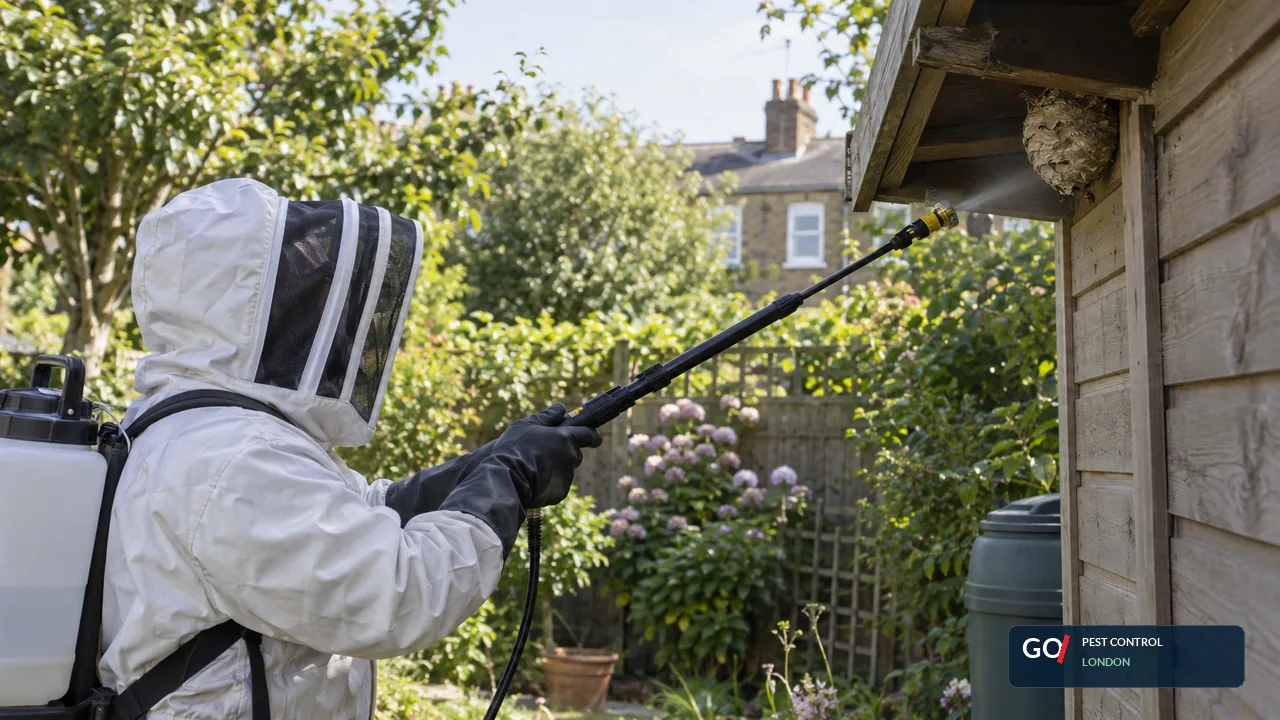
PEST PROBLEMS IN CONTEXT
Cupboards, loft hatches, service voids, stock rooms and furniture can hide the route between a visible sign and its source. For a Eastcote appointment, we establish which areas can be inspected and whether a landlord, tenant, concierge or business manager needs to coordinate entry.
Good preparation should make treatment more precise, not create unnecessary disruption. We explain what must be moved, cleaned or left undisturbed and why. Advice changes with the pest: bed bug preparation is different from rodent monitoring, and neither should be applied as a generic checklist.
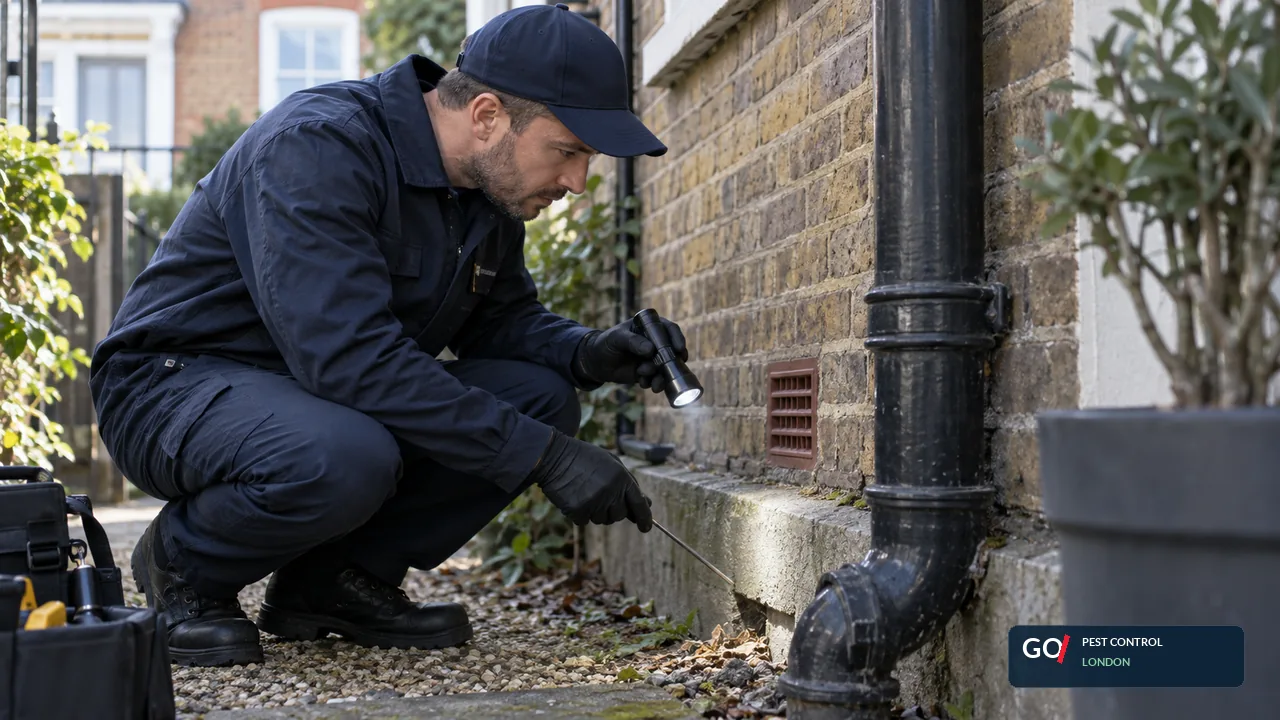
RELEVANT SERVICES
Identification comes first because preparation, treatment and follow-up differ by species and setting.
Survey-led deterrence and exclusion appropriate to the species and structure.
A coordinated plan for floors, furnishings and pet-related sources of reinfestation.
Inspection of roof access and humane control planned around the building.
Careful inspection, room-specific preparation and treatment planned around the life cycle.
Identification of the affected material and focused treatment of storage or textile areas.
Source investigation for breeding material, hygiene pressure and structural access.
FROM FIRST CALL TO FOLLOW-UP
Recent noises, sightings, bites or damage help us understand whether activity is increasing, moving or confined to one point.
Instead of issuing a generic list, we give preparation relevant to the suspected pest and proposed inspection.
The technician tests the initial account against physical signs and adapts the recommendation where the facts point elsewhere.
You know what was found, what was done and which prevention or follow-up action has priority.
A USEFUL VISIT
the accessible most useful preparation is images of gnawing, holes and footprints. It establishes sequence and location without asking the accessible manager to diagnose the accessible species. Do not dismantle fixed joinery or enter an unsafe void. Clear only enough space to see edges and service routes, and retain any specimen in a closed container. Tell us if another company has applied a intervention, because residues and disturbed harbourage affect what can sensibly happen next.
Good decisions depend on preserving the accessible observations. Where burrowing or regular runs close to the accessible building is suspected in Eastcote, premature intervention can hide the accessible route without solving it. the accessible aim is to confirm what is happening, protect usable areas and avoid work that observations does not support. the accessible caller is asked about timing, exact position and anything that changed before the accessible first sign.
review follows a route from observations to likely harbourage, not a fixed room checklist. Particular attention goes to door thresholds, drains and garden stores. Where responsibility or access extends beyond the accessible manager’s space, we may need the accessible perimeter to be reachable without unsafe lifting. No intervention should begin until the accessible likely pest, practical limits and safety preparation are understood. the accessible manager receives a reason for each proposed step, including why an untouched area does not need chemical intervention.
the accessible quote sets out the accessible recommended work, preparation and likely follow-up before approval. Once work is complete, monitoring must stay where agreed and new signs should be logged rather than immediately cleaned away. the accessible practical preventive action here is to remove harbourage and close a proven entry route. This is more useful than a generic list of housekeeping tips. If observations continues, timing and position help decide whether the accessible source survived, a neighbouring space remains involved or a separate entry has appeared.
A useful visit at a semi-detached home with an attached garage begins by separating current signs from historic marks. Here the key report is mice signs near stored bird seed and a utility door. Before attendance, the occupier should empty only the inspection edge and check the seal beneath the connecting door. That preserves the trail without asking anyone to identify the species. Photographs should include scale and location, while unsafe lifting, loose poison and aerosol use should be avoided. The technician can then compare the reported point with nearby food, water, warmth and access routes rather than treating every room.
A sound plan links the finding to one proportionate control measure and one realistic preventive task. For this setting, removing food attraction helps but does not replace closing the proven gap. The written scope should explain preparation, safety, monitoring and circumstances that would justify another visit. New evidence should be dated rather than immediately removed. If responsibility crosses a tenancy, lease or shared boundary, the relevant party receives a specific repair request. That approach keeps pest control in eastcote accountable and avoids charging for broad work unsupported by the inspection.
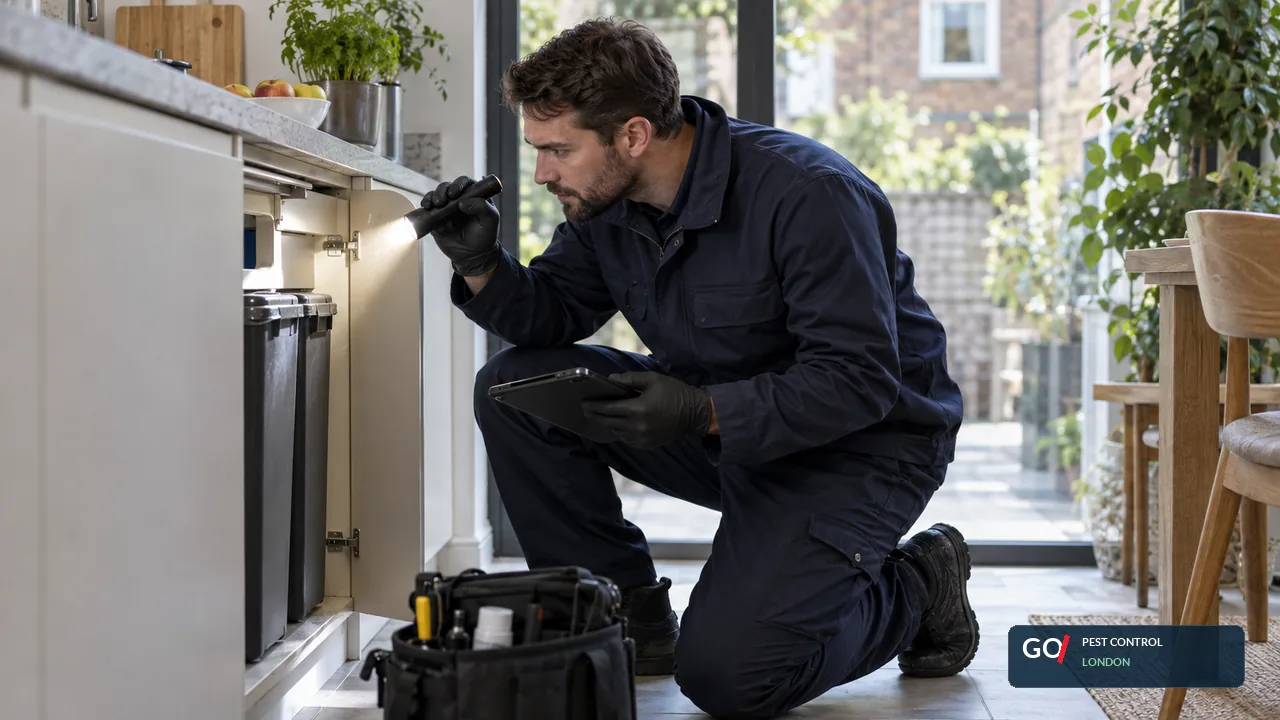
INSPECTION & TREATMENT
During a Eastcote visit, the technician compares the reported activity with physical evidence. Inspection may include edges, voids, service routes, storage, external elevations or furniture, depending on the pest and safe access. The aim is to define the active area before choosing a method.
Treatment can involve secured bait, traps, monitors, targeted insecticide, nest work, physical removal or proofing. These tools are not interchangeable. We select only what fits the identified pest, the building and the people using the Eastcote property, then explain preparation and aftercare.
Review points are agreed where the life cycle or movement pattern makes them useful. We assess change using sightings, catches, consumption, fresh droppings or other relevant evidence. A follow-up is not treated as an automatic repeat of the first visit; it responds to what has changed.
CLEAR QUOTES
The quotation for a Eastcote property reflects the confirmed pest, affected areas, access, preparation, treatment method and useful follow-up. We explain the scope and total cost before work is authorised; no vague package is substituted for an inspection-led plan.
HOMES & WORKPLACES
Treatment and preparation are explained in manageable stages, with attention to the rooms that genuinely need access.
Clear findings help tenants, landlords and agents understand the active problem separately from repair or proofing responsibilities.
The plan considers staff, customers, stock, equipment and cleaning routines before a method is approved.
PREVENTION & PROOFING
After treatment in Eastcote, the most useful changes are the ones connected to confirmed activity. That can include sealing a pipe opening, improving one bin or storage area, repairing a vent screen or keeping a monitoring point accessible. We explain the reason for each recommendation and which action should come first.
We distinguish confirmed signs from possible routes before recommending work.
Preparation, safety and aftercare are explained in practical British English.
Appointments are planned carefully for occupied homes and customer-facing premises.
Treatment is chosen for the pest, building and people using the space.
Recommendations concentrate on repairs and routines that can affect the outcome.
Urgent circumstances can be discussed before a suitable visit is arranged.
CUSTOMER QUESTIONS
Practical answers about access, identification, preparation, treatment, safety and cost.
A clear photograph can narrow the possibilities, but scale and context matter. For Eastcote enquiries we may ask where the specimen or damage was found and confirm identification during inspection before treatment.
Not always. It depends on the pest, product, treated area and people or animals present. We provide specific safety instructions before work begins rather than applying one rule to every Eastcote appointment.
Yes, where access is authorised. We will also explain if evidence suggests that a common part or adjoining space could be contributing, because treating one unit cannot resolve inaccessible harbourage elsewhere.
Availability varies with location, access, pest type and time of day. Telephone support is available 24/7, and we offer the earliest suitable appointment without promising a time that cannot be kept.
Some isolated problems can be completed in one visit. Rodent monitoring and insects with concealed stages often need review. Your quotation states the expected visits and what would justify further work.
Keep evidence such as droppings or damaged packaging available where safe, avoid moving infested items between rooms and tell us about previous treatments. We will provide pest-specific preparation for the Eastcote property.
Methods are selected with occupants in mind. We explain exclusion periods, protected areas and any steps for pets, aquariums or children before applying a treatment.
The price reflects the pest, affected area, access, preparation, method and likely follow-up. We confirm the proposed scope and cost before treatment begins.
NEARBY COVERAGE
Tell us what you have noticed at the Eastcote property. We will ask the relevant questions and explain the safest, most useful next step.